
Taiwanese Beef Noodle Soup
牛肉麵niúròu miàn
- Savory
- Beefy
- Aromatic
- +3 more
DineTaiwan is a work in progress. We are adding dishes, guides and photos as we go. What’s new

North · Destination guide
台北
A capital that eats from the first soy milk at dawn to the last night-market bite
Pins mark the markets, restaurants and neighborhoods in Taipei.
Open in the mapIntroduction
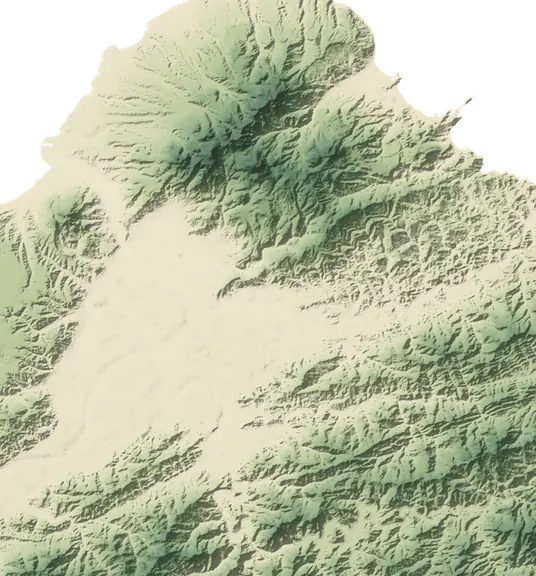
Taipei is Taiwan's capital, with a table as varied as its history. Soldiers and civilians who arrived with the government around 1949 brought the home cooking of Jiangnan, Sichuan, Shandong and the north; Japanese-era markets and old streets and the family cooking of Hoklo and Hakka settlers landed in the same basin. So a single street can serve Jiangnan-style soup dumplings, Sichuan-inflected red-braised beef noodles, northern soy milk and flatbreads, and the braised pork rice and oyster omelets locals grew up on.
A good day goes like this: savory soy milk and a thick flatbread with egg in the queue on the second floor of Huashan Market at dawn; lunch around Yongkang Street, watching soup dumplings come out of the steamer and following them with a bowl of beef noodles; a slow walk down Dadaocheng's Dihua Street in the late afternoon; and, after dark, oyster omelets, pepper buns and herbal pork rib soup at Ningxia, Raohe Street or Shilin.
This page covers Taipei City itself. New Taipei City, which wraps around it and includes Tamsui, Jiufen and Yonghe, is a separate destination.
The short list
What Taipei is famous for, most iconic first. Foods with their own guide are linked.
By the mid-1950s Taoyuan Street had a dozen or so Sichuan-style red-braised shops; today Taipei's old shops each have their own broth, and the city government holds a beef noodle festival.
Dish guide
Soup dumplings (xiaolongbao)小籠包
Din Tai Fung switched to soup dumplings on Xinyi Road in 1972, and the Yongkang Street and Hangzhou South Road area has several Michelin-listed shops.
Dish guide
Savory soy milk, shaobing and youtiao鹹豆漿與燒餅油條
A breakfast set brought by northern Chinese immigrants; Fu Hang at Huashan Market opens at 5:30 and often has an hour-long queue.
Taipei's everyday bowl, from night market stalls to old shops, with a braised pork belly version as well.
Dish guide
Pepper bun胡椒餅
The Fuzhou Shizu stall at Raohe Street's entrance is a well-known example, baked in a charcoal-fired brick oven.
Dish guide
Yuan Huan Pien at Ningxia (since 1965) and Zhongcheng at Shilin are both long-running names.
Dish guide
Herbal pork rib soup藥燉排骨
Chen Dong at Raohe Street was a Bib Gourmand pick in the first Michelin Taipei guide (2018); Hai You on Dadong Road in Shilin also serves herbal pork ribs.
The cutlets at Shilin are wider than a face, one of the most recognizable night-market snacks.
Dish guide
Stinky tofu臭豆腐
Xia Gang Ming Peng at Raohe is known for crisp fried stinky tofu stuffed with a garlicky sauce, and also does a spicy duck-blood version.
Dish guide
Gua bao刈包
Yuan Fang on Huaxi Street is on the current Michelin Bib Gourmand list, and Lan Chia in Gongguan is another well-known shop.
Dish guide
On the table
Dishes with their own guide that are most tied to Taipei.
牛肉麵niúròu miàn

小籠包xiǎolóngbāo

滷肉飯lǔròu fàn

胡椒餅hújiāo bǐng

蚵仔煎é zǐ jiān

刈包guà bāo

蛋餅dànbǐng

鹽酥雞yánsū jī

臭豆腐chòu dòufu

鳳梨酥fènglí sū

芒果冰mángguǒ bīng

豆花dòuhuā
Local flavors
Breakfast
Taipei's breakfast culture owes a great deal to northern Chinese immigrants after the war: savory soy milk, flatbreads, fried dough sticks, egg crepes and rice rolls steam on street corners and in market stalls from six in the morning. Michelin says soy milk came with postwar immigrants from northern China.
Fu Hang Soy Milk on the second floor of Huashan Market opens at 5:30, and Michelin notes lines that can reach an hour; the signatures are savory soy milk and a freshly baked thick flatbread with egg, and it is closed on Mondays. To avoid the longest line, go early on a weekday.
蛋餅dànbǐng

飯糰fàntuán
Specialties
Taipei has beef noodle shops of every stripe. Broths split into red-braised, clear-stewed, tomato and countless house recipes, noodles run from wide to thin, and ordering 'half tendon, half meat' gets you shank and tendon in one bowl.
When the MICHELIN Guide launched its Taipei edition in 2018, several beef noodle shops made the Bib Gourmand list; in the 2026 selection Lao Shan Dong is still on it. Yongkang Beef Noodle (reported to have opened in 1963) and Lao Shan Dong (since 1949) are two long-established references. The city government held its first beef noodle festival in 2005, and recent editions have been in autumn: 10-12 October in 2025 and 9-11 October in 2026, both at Taipei Expo Park in Yuanshan. Dates change each year, so check the official announcement.
牛肉麵niúròu miàn
Specialties
Soup dumplings are one of Taipei's most recognizable imported foods. Din Tai Fung grew from a 1958 oil shop into a dumpling restaurant in 1972, famous for its 18-pleat thin skins; Hang Zhou Xiao Long Bao on Hangzhou South Road is more of a neighborhood place whose owner learned from a San Liu Jiu dim sum chef and, according to Michelin, pleats his dumplings 21 times.
Both are on the current Michelin Bib Gourmand selection and are less than a kilometer apart, so they are easy to compare in one day.
小籠包xiǎolóngbāo
Street food
Each of Taipei's night markets has its own character. Ningxia is a short pedestrian street where the well-known stalls sit shoulder to shoulder; Raohe is a straight street of about 600 meters with pepper buns at its gate; Shilin sprawls across many lanes, and its chicken cutlet, oyster omelet and scallion pancake stalls are the ones with lines.
When the MICHELIN Guide launched its Taipei edition in 2018, several Raohe stalls were on the Bib Gourmand list, among them the Fuzhou Shizu pepper bun and Chen Dong herbal pork ribs (neither is on the current 2026 lists), and in 2024 Michelin profiled Taipei's six big night markets, with Ningxia, Raohe and Shilin among them.
蚵仔煎é zǐ jiān
胡椒餅hújiāo bǐng
鹽酥雞yánsū jī
臭豆腐chòu dòufu

蔥油餅cōngyóu bǐng
History
Dadaocheng was once northern Taiwan's hub for tea and dried goods, and Dihua Street still has old shops selling dried foods and herbal medicine. In the weeks before Lunar New Year the Dihua Street New Year goods market is one of Taipei's best-known New Year shopping streets; the 2026 edition ran from 31 January to 15 February.
There is plenty to eat along the way: about twenty stalls in front of Cisheng Temple, snack counters on the ground floor of Yongle Market, and Ningxia Night Market about 500 meters east.
Day and night
Night markets, market halls and food streets in Taipei.

Known forOyster Omelet · Braised Pork Rice · Douhua (Tofu Pudding)

饒河街觀光夜市
Known forPepper Bun · Stinky Tofu · Braised Pork Rice

Known forTaiwanese Fried Chicken · Oyster Omelet · Scallion Pancake
Sit down
Established restaurants and shops in Taipei. Awards appear exactly as recorded, with their year.

鼎泰豐(信義店)
Din Tai Fung began as a cooking-oil shop on Xinyi Road. According to Wikipedia, founder Yang Bingyi and his wife opened the oil shop in 1958; around 1970 canned oil hurt business, a friend suggested adding xiaolongbao, and by 1972 it had become a full restaurant. It grew into a global chain, but Xinyi Road is where it started. The soup dumplings are known for their 18 pleats, thin skins, sweet pork filling and scalding broth. Michelin suggests ordering sweet and sour pork, bitter melon and pork rib soup, and steamed taro buns alongside them. The original storefront on Section 2 of Xinyi Road is now takeaway only, and dine-in service is across the street in a 330-seat, four-storey building that opened in 2020. Expect a wait at mealtimes; avoid noon and weekend peaks if you can.
Taipei
Known forXiaolongbao (Soup Dumplings)

阜杭豆漿
A soy milk shop on the second floor of Huashan Market that opens at 5:30 a.m. Michelin notes hour-long queues, with soy milk and a thick, chewy flatbread filled with egg as the main draws. The line-up includes savory soy milk (with crumbled fried dough, scallion and preserved radish), the freshly baked thick flatbread with egg, a sweet sesame flatbread, and traditional egg crepes and sweet soy milk. You queue to order, pass the drinks and flatbread counters and pay at the end, then find a seat in the market's shared second-floor dining area. The later you arrive, the longer the line, so come near opening for the full menu. It is closed on Mondays.
Taipei
Known forEgg Crepe (Danbing)

杭州小籠湯包(大安)
A xiaolongbao institution on Section 2 of Hangzhou South Road that began as a street stall. According to Michelin, owner Huang Wenjun first ran a Chinese roast-meat restaurant, learned to make soup dumplings from a dim sum chef at San Liu Jiu, and soon found the dumplings had overtaken the roast meats; the restaurant then turned to Jiangsu-Zhejiang dim sum. The filling is pork with Yilan scallion, and the skins are made fresh daily, about 20 to 26 g each and pleated 21 times. Michelin says the shop's slogan promised the quality of Din Tai Fung, the taste of San Liu Jiu and street-stall prices. Michelin also recommends the spicy stinky tofu, served in a ground-pork sauce with dried shrimp and chili bean paste. Cash only.
Taipei
Known forXiaolongbao (Soup Dumplings)
老山東牛肉家常麵店
A veteran shop in the basement of the Wan Nian Commercial Building, in Ximending. Michelin says it has built a loyal following since 1949, and it is now in its third generation. The broth is slow-cooked from Taiwanese beef bones and ten Chinese herbs, the wide ribbon noodles are hand-pulled to order, the beef is local and Australian, and cold sides such as pork ear in aspic and pickled cabbage are made fresh daily. A bowl of hand-pulled noodles with beef and tendon plus one cold dish makes a simple, complete meal. It is cash only and usually has a queue at mealtimes. It is an easy stop after Ximending.
Taipei
Known forTaiwanese Beef Noodle Soup

永康牛肉麵
A long-running beef noodle shop down Lane 31 off Jinshan South Road. TVBS Supertaste reports that it opened in 1963, starting as a small beef noodle stand beside Yongkang Park. The shop has two floors and the signature order is the red-braised half-tendon bowl: a beef-bone stock built with a Sichuan-style chili bean paste, gently spicy at the finish, with shank braised four to five hours until tender. Michelin included Yongkang Beef Noodle on its Bib Gourmand list when the Taipei guide launched in 2018; it is not on the current 2026 lists. Expect a line at mealtimes. It is a few minutes' walk from Yongkang Street, so it pairs naturally with soup dumplings for a day of eating.
Taipei
Known forTaiwanese Beef Noodle Soup
Where to wander
Districts and towns to eat your way through.
Neighborhood
Dadaocheng sits on the Tamsui River in Datong District and rose with the tea trade in the mid-19th century. Michelin describes it as a pre-war wholesale hub for rice, sugar, tea and camphor and a base for tea exports; it faded in the 1970s as Taipei's commercial center moved east, and began to revive only around 2010.
Today Dihua Street is lined with dried-goods merchants, Chinese herbal shops and old storefronts, and sets up a Lunar New Year goods market in the weeks before the holiday. Xiahai City God Temple was completed in 1859, according to English and Chinese Wikipedia (the latter says residents began funding it in 1856). In front of Cisheng Temple about twenty stalls sell pig trotters, congee, fried oysters and Sishen soup, and Yongle Market has snack stalls on the ground floor with fabric dealers above. The Ningxia Night Market is about 500 meters east.
Known for
Neighborhood
Ximending is in Wanhua District. Its name comes from Seimon-chō, a Japanese-era administrative division created in 1922 for the area outside Taipei's former west gate. Chinese Wikipedia says the first theaters opened here in 1895, film houses clustered from the 1920s and made it a well-known 'movie street', and in the late 1990s (1999 according to English Wikipedia) its streets became Taipei's first large pedestrian zone. It is still where young people come to shop and catch a movie.
The food mixes old and new. Ay-Chung Flour-Rice Noodle on Emei Street, reported to date from 1975, is a memory for many Taipei residents, and Lao Shan Dong in the basement of the Wan Nian Building has been known since 1949 for hand-pulled noodles and herbal beef-bone broth; it is a Michelin-listed beef noodle shop.
Known for
Neighborhood
Yongkang Street is in Da'an District, a short walk from Dongmen MRT Station, and is one of the Taipei food neighborhoods foreign visitors know best. Michelin notes that the original Din Tai Fung is in the area: the Xinyi Road storefront has sold soup dumplings since 1972 and is now takeaway, with dine-in across the street in a four-storey building. The lanes also hide Yongkang Beef Noodle, said to date from 1963, and in summer the street turns to mango shaved ice.
About 600 meters west, Hang Zhou Xiao Long Bao on Hangzhou South Road is another Michelin-listed dumpling shop, so the area works well for a soup dumpling and beef noodle lunch.
District
Zhongzheng is Taipei's administrative and transport core, and a stronghold of breakfast culture. Fu Hang Soy Milk on the second floor of Huashan Market opens at 5:30 a.m., and Michelin notes queues of up to an hour.
Southwest of Taipei Main Station, Taoyuan Street is a name that comes up often in the beef noodle story: by the mid-1950s about a dozen shops there advertised Sichuan-style red-braised beef noodles, and a fire in 1983 ended the street. Exactly where the first bowl was served is told differently by different accounts.
District
Shilin District is in northern Taipei, and the Shilin Night Market is its calling card. According to Chinese Wikipedia, Shilin Market was established in 1909, with vendors gathering on the forecourt of Cixian Temple and gradually taking over temple land; the Japanese-era public market building was begun in 1913 and opened in 1915, and its red-brick shell survives today as a municipal historic site.
The old market was demolished in 2002, keeping only the Japanese-era brick building, and the stalls moved to a temporary market opposite Jiantan Station; the rebuilt market was completed in December 2011 and traders moved back. The basement food court closed for renovation in October 2023 and reopened in April 2025. Beyond the famous chicken cutlets, oyster omelets and scallion pancakes, the lanes around it hold a handful of Michelin-listed old-timers.
District
Raohe Street in Songshan District was once called Xikou; in the Qing period it was a cargo transfer point on the Keelung River, and under Japanese rule it was renamed Songshan. After the river silted up and Bade Road was widened, Raohe Street lost its role as a thoroughfare and its trade faded; according to Chinese Wikipedia, the city government set up the tourist night market here in 1987 in the hope of reviving local business.
The market's entrance is beside Songshan Ciyou Temple, steps from Songshan Station. Temple records give 1753 as the year the site was chosen and 1757 as the year the building was completed. After a pepper bun and a bowl of herbal pork rib soup, a look at the temple is the natural next stop.
Food trails
Routes that string the stops together, with suggested times, notes and a map.
Start with dawn soy milk at Huashan Market, walk past Chiang Kai-shek Memorial Hall, then eat soup dumplings and beef noodles around Yongkang Street. Most of it is walkable; Fu Hang is closed on Mondays, so on that day start at Yongkang instead.
6 h 45 min5 stops
Recommended food itinerary
Walk Dadaocheng's Dihua Street in the late afternoon, then follow the light to Ningxia Night Market. Oyster omelets, taro cakes, braised pork rice and tofu pudding follow, one stop after another. The two are about 500 meters apart, so it is all on foot; Yuan Huan Pien is closed on Mondays, so pick another day for this route.
4 h6 stops
Food history
Taipei's food map was laid down in layers. In the mid-19th century Dadaocheng on the Tamsui River was northern Taiwan's trading hub; Michelin describes it as a pre-war wholesale center for rice, sugar, tea and camphor and a base for tea exports, and the dried-goods merchants and old storefronts of Dihua Street are what that commerce left behind. Under Japanese rule the government built public markets and laid out districts: the red-brick Shilin Market building was begun in 1913, and from the 1920s film houses clustered in Ximending, which became a well-known 'movie street'. Shilin Night Market grew out of the vendors gathered around that market and in front of Cixian Temple.
Around 1949 a large wave of soldiers and civilians arrived with the government, settled in military dependents' villages and brought northern noodles, soy milk and flatbreads and the dishes of many provinces with them; Michelin says soy milk came with postwar immigrants from northern China. Beef noodle soup is generally dated to the 1950s: by the mid-1950s Taoyuan Street had a dozen or so shops advertising Sichuan-style red-braised beef noodles, and a fire in 1983 ended that street, while where the first bowl was served is told differently by different accounts. In 1972 Din Tai Fung turned an oil shop on Xinyi Road into a restaurant devoted to soup dumplings, and it later grew into an international chain.
Tourist night markets are a more recent story. According to Chinese Wikipedia the city government set up the Raohe Street tourist night market in 1987, and Michelin calls it Taipei's second tourist night market after Huaxi Street. In 2005 the city government held the first of its beef noodle festivals, at which cooks compete publicly, and in 2018 the MICHELIN Guide launched its first Taipei edition, with several Raohe Street night-market stalls on its Bib Gourmand list.
Through the year
Months are a rough window, and the weather moves them from year to year.
Season: Oct–Nov
First held by the city government in 2005, with cooks competing for the best bowl; recent editions have been in autumn. The 2025 edition, the 21st, ran 10-12 October at Taipei Expo Park, and press reports put the 2026 edition, in its 22nd year, at 9-11 October at the same venue. Dates change each year, so check the official announcement.
Try it as
Season: Jan–Feb
In the weeks before Lunar New Year, Dihua Street fills with dried goods, sweets and festive foods. The 2026 edition ran 31 January to 15 February (per press reports); dates shift each year with the lunar calendar.
Season: Jun–Aug
Michelin recommends cooling off with mango shaved ice around Yongkang Street in summer; it is Taiwan's signature summer dessert, best when mangoes are in season.
Try it as
Plan your trip
Most visitors arrive at Taoyuan International Airport and take the Taoyuan Airport MRT express to Taipei Main Station, about 35-40 minutes (the published fare is around NT$150-160; check the current fare), where in-town check-in and baggage drop are available. Songshan Airport sits inside the city and is on the MRT Wenhu Line. Both high-speed rail and the Taiwan Railways stop at Taipei Main Station, which is also where the MRT Red and Blue lines cross.
Within the city, the MRT and buses reach almost every district and night market on this page: Ningxia is about 10 minutes on foot from Shuangcheng or Zhongshan stations, Shilin is beside Jiantan Station and Raohe Street is at Songshan Station. Contactless transit cards such as the EasyCard work on the MRT and buses.
In pictures
A bowl of Taiwanese beef noodle soup with chunks of braised beef, wheat noodles held by chopsticks and scallion
Photo: Jjj84206 · CC BY-SA 4.0 (opens in a new tab)A bamboo steamer of xiaolongbao soup dumplings on a table, with a small dish of ginger and soy dipping sauce
Photo: VirtualErn from Taipei · CC BY 2.0 (opens in a new tab)Ornate Baroque-style shophouse facades on Dihua Street in Taipei's Dadaocheng, with arched windows and carved stone parapets
Photo: Supanut Arunoprayote · CC BY 4.0 (opens in a new tab)A vendor beside a tray of golden pan-fried dumplings at a Raohe Street Night Market stall in Taipei
Photo: Banzai Hiroaki · CC BY 2.0 (opens in a new tab)Keep exploring
Work in progressLast updated Oct 12, 2026What’s new
20 dishes documented · more on the way


